Cup four · peg 4
The Cup You Lend Out, and the Story That Comes Back
lent on monday · returned with a story
Every house has a cup that belongs to nobody. It is the one handed to the neighbour, the plumber, the cousin who drops by. We think it may be the most useful cup on the rack.
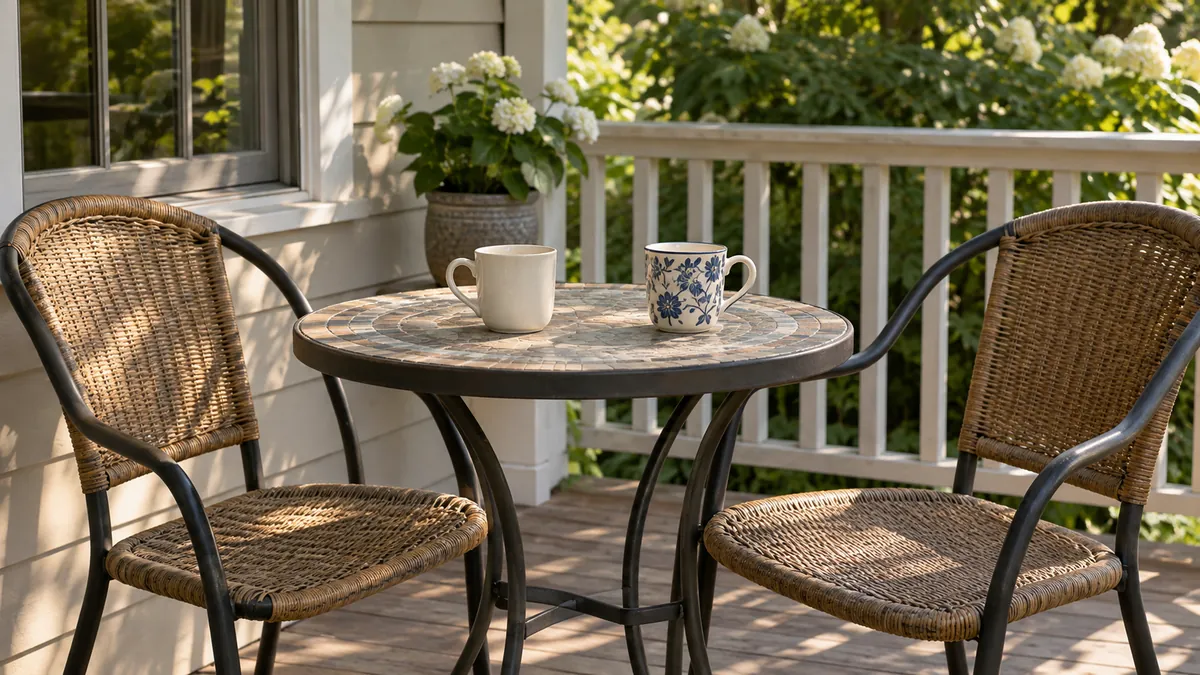
The spare cup
When people order a set from us, they nearly always ask for one extra, without a name. It is the guest cup. It lives at the end of the rack and goes into the hand of whoever is sitting at the table that day. Of all the cups in a house, it is the one most likely to be part of a conversation.
That is what cup four is about. Not the cup itself, but what happens around it when someone else is holding it.
Conversation as a workout
A real conversation is harder work than it looks. You have to follow a story with turns and names, hold the beginning in mind while the end arrives, find the right word for your answer and remember what you meant to ask next. Many people who study ageing point to social contact as part of a full and active life, and it is not hard to see why: few things we do in a day use so many parts of the head at once.
Readers who live alone tell us the quiet weeks are the hardest. The spare cup is a small, practical answer. If there is a cup ready for a visitor, it becomes easier to ask one in.
Ask for the rest of the story
Here is the habit we suggest. When someone sitting with the spare cup tells you something unfinished (a daughter waiting on a job offer, a car in the shop, a trip being planned), make a short note after they leave. Name, topic, one detail. The next time you see them, ask how it turned out.
This does two things. It gives your memory a reason to keep the thread, and it gives the other person the rare pleasure of being remembered. Over time the notes become a little record of the people around you, and the record tends to make the next visit easier to start.
Keep the spare cup moving
A guest cup gathers dust when nobody is invited. So invite. A neighbour for ten minutes on a Saturday. A friend from the old job once a month. The person who delivers the mail, if they have time to stop. The cup does not care who holds it, as long as somebody does.
Some of our customers keep two spare cups for exactly this reason. One for the visitor, one for the second visitor they did not expect, because an invitation tends to spread once the first person says yes. A table with three cups on it holds a very different conversation from a table with two.
And if the visits are rare, use the phone with the same rule: ask about the unfinished thing from last time. It still counts.